


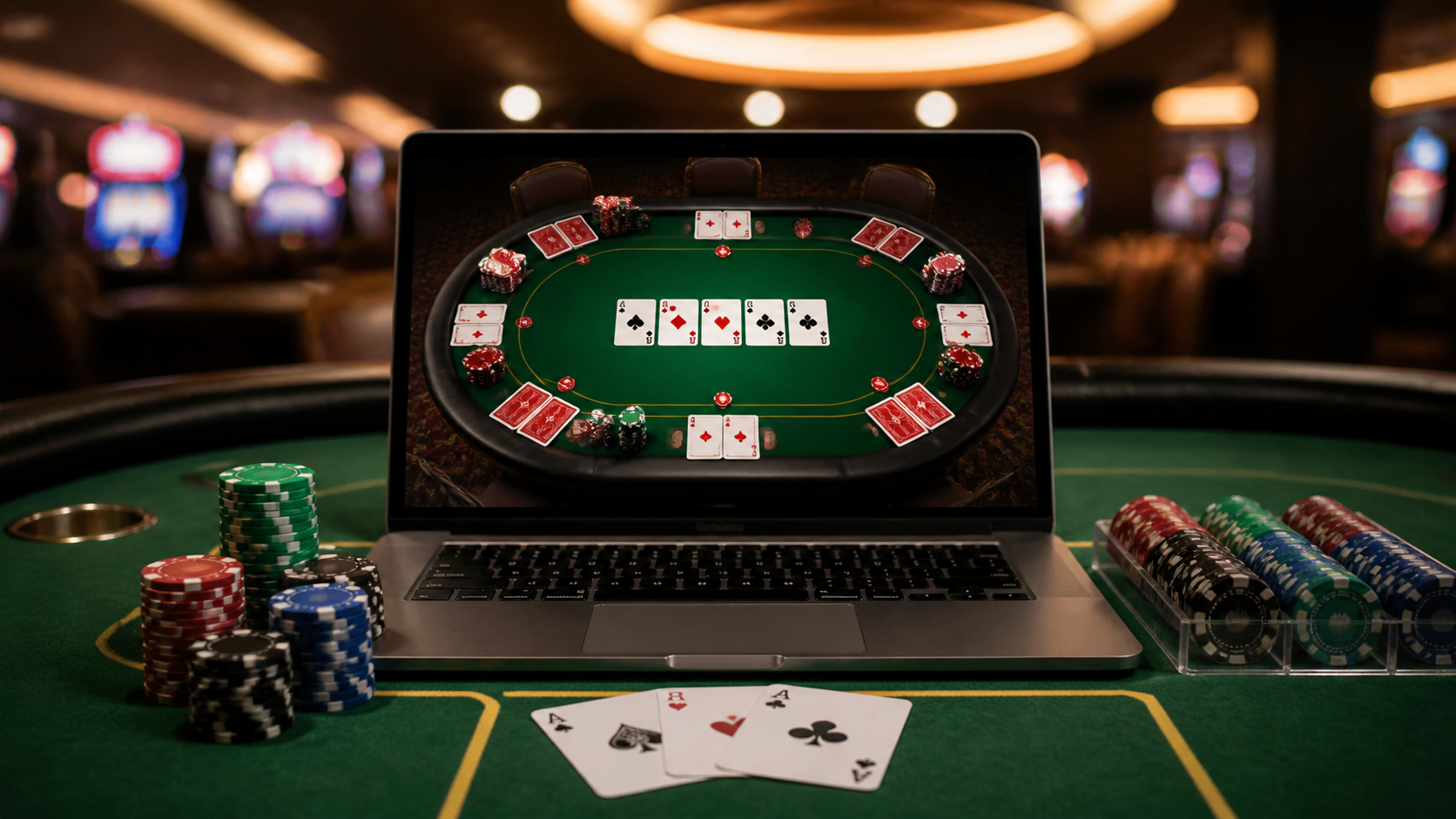
Online poker has become one of the most familiar ways to play cards for people who enjoy strategy, patience, and reading situations carefully. Unlike purely luck-based games, poker rewards decision-making over time, which is one reason it continues to attract casual players and more experienced competitors alike.
For many readers, the appeal is practical as much as entertaining. It is easy to start, simple to understand at a basic level, and flexible enough to fit short sessions or longer evenings of play. Still, the experience can vary widely depending on the platform, the game format, and the player’s own habits. If you are exploring poker online, it helps to understand what separates a smooth, enjoyable session from one that feels confusing or rushed.
How online poker works in practice
At its core, online poker follows the same logic as traditional poker: players receive cards, make bets, and try to build the strongest hand or persuade others to fold. The digital format changes the pace and presentation, but the basic structure remains recognizable. Most platforms organize games into tables, tournaments, or quicker formats, each of which creates a different rhythm.
One of the biggest differences is speed. Online tables often move faster than live games, which means more hands can be played in less time. That can be appealing for players who want variety, but it also demands more focus. Small decisions happen quickly, and there is less time to pause and think through every move.
The online environment also removes physical tells, which shifts attention toward betting patterns, timing, and table behavior. Some players find this refreshing because the game feels more analytical. Others miss the social and visual cues of live play. Neither style is inherently better; they simply reward different strengths.
Choosing the right game format
Not every poker format suits every player. The most common mistake for beginners is assuming all tables feel the same, when in reality the structure can change the entire experience. Before committing time or money, it is worth comparing a few options and thinking about what kind of session you actually want.
Cash games and tournaments
Cash games usually offer more flexibility. Players can join and leave when they choose, and the chips on the table represent real value within that session. This makes cash games appealing for people who want shorter, more controlled play. They also allow a steadier pace for learning the basics without the pressure of elimination.
Tournaments work differently. Everyone starts with a set stack, and the goal is to stay in the game as long as possible. The structure creates a stronger sense of progression, but it can also increase pressure as blinds rise and stacks shrink. Some players enjoy the strategic buildup, while others prefer the freedom of cash play.
Fast-fold and specialty tables
Some platforms offer faster table types that remove waiting between hands. These formats can be exciting, especially for players who like constant action, but they also leave less room for careful observation. Specialty tables may include unusual rules, side games, or unique structures that change how the hand develops. They can be fun, but it is wise to read the rules before jumping in.
When choosing a format, consider three practical questions:
- How much time do I want to spend in one session?
- Do I prefer steady play or faster action?
- Am I trying to learn, practice, or test a specific strategy?
Reading the table and making better decisions
Good poker is not only about the cards you receive. It is also about understanding the situation around the hand. Online play requires a slightly different kind of awareness because the information is mostly behavioral rather than visual. That makes discipline especially valuable.
One useful habit is paying attention to position. Acting later in a hand often gives more information, which can help with decision-making. Another is watching how often players bet, call, or fold in certain spots. Even without face-to-face tells, repeated patterns can reveal a lot.
It also helps to avoid overreacting to short-term outcomes. A strong hand can lose, and a weak hand can win, but that does not necessarily mean the decision was wrong. Focusing on the quality of choices, rather than just the immediate result, usually leads to more consistent play over time.
Common mistakes to avoid
Many new players make the same avoidable errors. They play too many hands, chase weak draws, or keep betting simply because they do not want to fold. Online settings can make those habits more visible because the pace encourages repetition.
Other common mistakes include:
- Ignoring position when deciding whether to enter a pot
- Calling too often instead of making purposeful folds
- Playing while distracted and missing table changes
- Chasing losses after a difficult hand or session
A calmer approach tends to work better. Even small improvements in patience can make a noticeable difference in how sessions feel and how decisions are made.
Safety, limits, and responsible play
Because online poker is easy to access, setting boundaries matters. A session that begins casually can drift longer than intended if the player is not careful. That is why sensible limits around time, spending, and emotional control are worth thinking about before starting.
It also helps to treat the game as a form of entertainment rather than a way to pursue guaranteed outcomes. Poker has skill elements, but short-term results can still vary. Players who stay grounded usually enjoy the experience more because they are less likely to make impulsive choices after a loss or an unexpected win.
Practical habits can make a session more manageable:
- Choose a budget before you begin and stick to it
- Take breaks when concentration starts to fade
- Avoid playing when tired, stressed, or rushed
- Review your own decisions after the session instead of only the results
These habits do not remove variance, but they can help keep the experience clear and controlled. In a game that rewards discipline, that alone is an important advantage.
What makes online poker appealing to different types of players
One reason online poker remains popular is its flexibility. A player who wants a few minutes of entertainment can find a quick table, while someone looking for deeper strategy can spend more time studying patterns and adjusting their approach. The same game can serve different goals depending on how it is used.
It also offers a learning path that suits gradual improvement. Beginners can start with low-pressure games and learn one concept at a time. More experienced players can use the format to refine range awareness, betting discipline, and table selection. Because of that range, the game tends to remain engaging even after the basic rules are familiar.
For readers who value convenience, the digital format is especially practical. There is no need to wait for a physical table to fill, and the variety of games can be broader than what many local environments offer. At the same time, the convenience can be a drawback if it encourages impulsive play. The most satisfying sessions are usually the ones guided by a plan, not by mood alone.
Another reason people return to the game is the balance between chance and skill. Cards matter, but so do timing, observation, and judgment. That balance gives each hand a sense of possibility while still rewarding thoughtful play. For many players, that combination is what makes the format feel enduring rather than repetitive.
Final thoughts on playing poker online
Online poker works best when players understand both the game and their own habits. The format can be fast, flexible, and mentally engaging, but it also asks for attention, patience, and restraint. Choosing the right table type, staying aware of position, and avoiding common mistakes can make the experience more controlled and more enjoyable.
Whether you are learning the basics or refining a familiar strategy, the most useful mindset is a steady one. Focus on decisions, keep your limits in mind, and choose games that suit your preferred pace. With that approach, poker online becomes less about reacting to every hand and more about making thoughtful choices session after session.
