


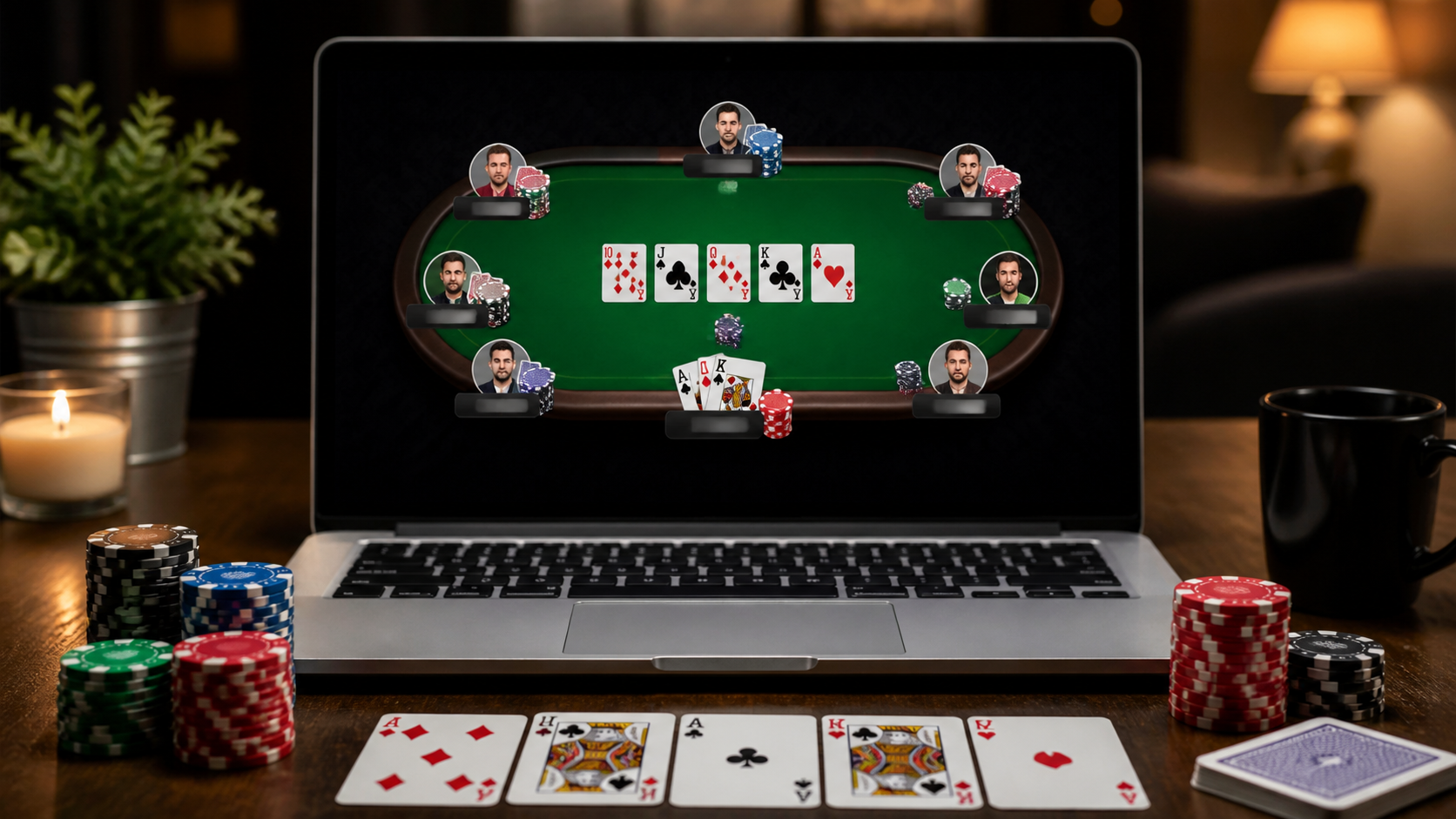
Online poker has become one of the most enduring card games on the internet because it blends strategy, timing, patience, and psychology in a way that few other games can match. For many players, the appeal is not only the chance to win a pot, but also the steady process of reading situations, managing risk, and making better decisions over time. That mix makes the game interesting for beginners and experienced players alike.
At the same time, the online setting changes the experience in important ways. Players do not rely on physical tells, table atmosphere, or face-to-face pressure in the same way they would in a live room. Instead, they need to pay attention to betting patterns, position, pace, and their own discipline. Anyone exploring เกมโป๊กเกอร์ออนไลน์ should understand that success usually comes from consistent habits rather than dramatic moves.
This article looks at the main ideas that help players approach online poker more thoughtfully. It covers how the game differs from live poker, what to look for in a platform, the core skills that matter most, and the mistakes that tend to cost players the most over time.
What Makes Online Poker Different from Live Play
Online poker follows the same basic rules as live poker in many formats, but the pace and environment are very different. Hands move faster, decisions come more quickly, and players often have multiple tables available at once. That speed can be helpful for people who want more action, but it also makes emotional control more important. A rushed decision at an online table can be repeated many times in a short session.
Another major difference is the absence of physical cues. In live poker, some players rely on body language or table presence. Online, those signals are replaced by timing, bet sizing, and patterns across hands. This means that observation is still valuable, but it has to be applied differently. A thoughtful player watches how opponents behave over several hands instead of trying to guess from a single action.
The digital format also encourages a more structured approach. Since hands are tracked automatically and betting histories are easier to review, players can study their own decisions more carefully. That makes online poker a good setting for people who want to improve through review and repetition, provided they remain realistic about variance and avoid expecting constant results.
Choosing a Platform That Fits Your Needs
The platform you choose can shape the entire experience. Some players want a simple interface and a smaller selection of tables, while others prefer more game variety and flexible stakes. A good starting point is to decide what matters most to you: ease of use, table traffic, tournament options, or private-game features. The best choice is often the one that fits your style rather than the one that looks most impressive at first glance.
It also helps to look at practical details such as deposit methods, withdrawal process, game stability, and mobile performance. A smooth interface matters because poker decisions often depend on timing. If the software feels clunky or the table layout is hard to read, your attention is pulled away from the game itself. For a card game that rewards precision, that extra friction can become a real disadvantage.
Players should also think about table selection. Not every table offers the same experience, and not every format suits every skill level. Some tables may be more aggressive, while others are slower and more cautious. A good platform gives you enough information to make those choices clearly, without forcing you into games that feel unfamiliar or uncomfortable.
Game Variety and Table Traffic
Variety matters because poker is not one single game. Cash games, sit-and-go formats, and multi-table tournaments each create a different rhythm. A player who enjoys short, focused sessions may prefer one format, while someone who likes deeper strategy may enjoy another. Table traffic matters too, because a game with too few active players can feel limited, while a busy site may offer more flexibility.
It is worth thinking about how often you plan to play. If you only log in occasionally, a simpler platform may be enough. If you want regular sessions, then having reliable access to tables at different times of day becomes more important. The goal is to match the platform to your habits, not the other way around.
Interface, Pace, and Mobile Access
A clean interface reduces errors. Clear bet buttons, visible stacks, and easy-to-read action histories all help players make better decisions. Mobile access can be useful for casual sessions, but it should not come at the cost of readability. On a smaller screen, accidental taps or missed details can affect outcomes more than many players realize.
Before settling on a platform, it is reasonable to test how the tables look and how comfortably you can follow the action. If the design feels confusing, that distraction will show up during play. In poker, clarity is not a luxury; it is part of sound decision-making.
Core Skills That Matter at the Table
Many people think poker is mainly about bold moves, but the stronger foundation is usually much more measured. Good players make fewer costly mistakes, choose better spots, and remain patient when the table does not offer an immediate opportunity. That kind of discipline often matters more than chasing dramatic wins.
One of the most useful habits is understanding position. Acting later in a hand gives you more information, which can improve decisions about whether to continue, fold, or pressure another player. Position is not the only factor, but it affects nearly every hand. Players who respect it tend to avoid unnecessary trouble.
Pot control is another important idea. Not every decent hand should be played as if it is already strong enough to win a large pot. In many cases, keeping the pot manageable protects your stack and allows more room to respond to changing board cards. That does not mean being passive; it means choosing the size of the pot with intent.
Bankroll discipline also deserves attention. Even players who understand the game well can struggle if they enter games that are too large for their budget. Proper stake selection helps reduce emotional pressure and gives skill more room to matter over the long run. Online poker can feel fast, but financial discipline should remain slow and steady.
Common Mistakes That Weaken Results
One of the most frequent mistakes is playing too many hands. Beginners often want to stay involved, especially when the action looks exciting. However, entering too many pots from weak positions can create a steady drain on chips. Folding more often is not a sign of caution for its own sake; it is often part of better long-term decision-making.
Another issue is chasing losses. A rough session can tempt players to keep playing in hopes of recovering quickly, but that mindset usually leads to worse decisions. When emotion takes over, the game feels less like strategy and more like reaction. Taking a break after a difficult stretch is often more useful than trying to force a comeback.
Players also make mistakes when they ignore table context. A bet that works against one opponent may fail against another. Some players call too much, some fold too often, and some respond aggressively to any sign of weakness. The more attention you pay to these tendencies, the easier it becomes to adjust your approach instead of using one fixed plan for every situation.
Finally, many players overlook review. Even a simple habit of thinking through key hands after a session can reveal repeated errors. You may notice that you overvalue certain hands, miss opportunities from late position, or bet sizes that give too much information. Small adjustments, repeated consistently, can improve results more than dramatic changes ever will.
How to Build Better Habits Over Time
Good poker habits are built through repetition, not inspiration. A player who sets simple goals for each session is often better prepared than one who sits down hoping to play well by instinct. Those goals might involve staying patient early, avoiding marginal spots out of position, or reviewing a few difficult hands afterward. The exact goal matters less than the consistency behind it.
- Start with games and stakes that match your comfort level.
- Limit the number of tables if speed makes it hard to focus.
- Track recurring mistakes instead of judging one session too harshly.
- Take breaks when frustration starts to affect your choices.
- Pay attention to bet sizing, position, and opponent tendencies.
It can also help to treat poker like a skill game with ups and downs rather than a test that must be won every night. That perspective supports better decision-making because it reduces pressure. Over time, players who stay calm, review their hands honestly, and manage their bankroll carefully are usually in a stronger position than those who rely on streaks or impulse.
Another useful habit is knowing when to stop. A session that begins well can still turn sloppy if concentration fades. Ending while your decisions are still clear is often better than trying to stretch play for the sake of more action. Restraint may feel less exciting, but it often supports better long-term results.
Conclusion: A Smarter Way to Approach Online Poker
Online poker is most rewarding when it is approached as a thoughtful game of decisions rather than a quick path to excitement. The online format rewards attention to detail, steady discipline, and a willingness to learn from experience. Players who understand position, choose tables carefully, and control their emotions usually give themselves a better foundation than those who rely only on intuition.
Whether you are exploring the game for the first time or refining your approach, the same basic idea holds true: strong habits matter. The more clearly you understand the structure of the game and your own behavior at the table, the easier it becomes to make practical choices that support better play. In that sense, online poker is less about chasing perfect hands and more about building a reliable process session by session.
