


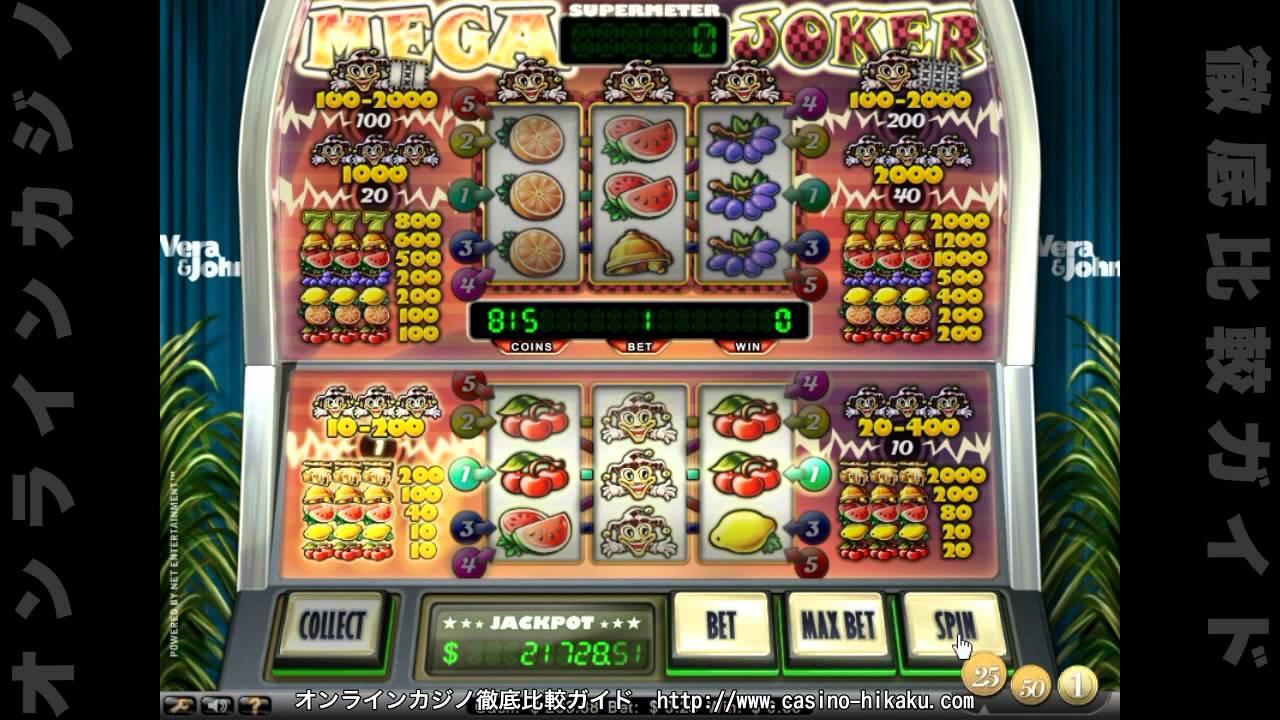
Online slots have become one of the most popular forms of digital entertainment. Bright visuals, immersive sound effects, and the promise of massive payouts create a powerful experience. At the heart of this excitement lies a fascinating psychological phenomenon: The Psychology Behind Chasing Slot Maxwin. Why do players keep spinning, hoping for that ultimate jackpot? The answer lies deep within human behavior and cognitive science.
Understanding What “Maxwin” Represents
In slot gaming, a “maxwin” refers to the maximum payout a game can offer, often expressed as a multiple of the player’s bet. Some modern slot games can award payouts worth thousands—or even tens of thousands—of times the original stake.
The idea of hitting that life-changing reward triggers powerful emotional and psychological responses. It’s not just about money; it’s about achievement, validation, and the thrill of beating the odds.
The Role of Dopamine and Reward Systems
One of the core elements in The Psychology Behind Chasing Slot Maxwin is dopamine, the brain’s “feel-good” chemical. Dopamine is released not only when we win but also when we anticipate a possible reward.
Slot machines are designed around variable reward schedules. This means players never know when a big win might come. Research has shown that unpredictable rewards create stronger engagement than predictable ones. Each spin carries the possibility of a maxwin, and that uncertainty keeps players emotionally invested.
The Illusion of Control
Many players believe they can influence outcomes by adjusting bet sizes, timing spins, or switching machines. While modern online slots operate using Random Number Generators (RNGs), the illusion of control persists.
This perceived influence feeds into The Psychology Behind Chasing Slot Maxwin, as players feel that persistence, strategy, or intuition might eventually unlock the big payout. Even when outcomes are random, the mind seeks patterns and meaning.
Near Misses and Their Psychological Impact
Near misses are powerful motivators. When symbols almost align for a jackpot but fall just short, the brain reacts similarly to an actual win. Studies show that near-miss outcomes stimulate reward-related areas of the brain.
This effect reinforces continued play. Players think, “I was so close,” which strengthens the desire to try again. The emotional intensity of near wins can be just as influential as small payouts.
Social Proof and Big Win Stories
Another important factor in The Psychology Behind Chasing Slot Maxwin is social influence. Online platforms frequently showcase massive wins, complete with celebratory animations and public winner announcements.
Seeing others hit maxwin fuels optimism and the belief that “it could be me next.” Social proof validates the possibility of success and enhances the perceived attainability of the jackpot.
Risk, Excitement, and Emotional Highs
For some players, the attraction isn’t purely financial. The adrenaline rush, suspense, and emotional rollercoaster play a significant role. Chasing maxwin creates a narrative of hope, tension, and potential triumph.
This emotional engagement can transform gameplay into an immersive experience where the journey feels just as compelling as the destination.
The Importance of Responsible Play
While understanding The Psychology Behind Chasing Slot Maxwin helps explain player behavior, it also highlights the importance of self-awareness. Recognizing how reward systems, near misses, and social influence affect decision-making can empower players to set healthy limits.
Responsible gaming practices—such as budgeting, time management, and understanding odds—ensure that entertainment remains fun rather than harmful.
Final Thoughts
The desire to hit a slot maxwin is not simply about luck or greed. It’s rooted in deep psychological mechanisms involving anticipation, reward, perception, and emotion. By understanding The Psychology Behind Chasing Slot Maxwin, players can better appreciate both the appeal and the risks involved.
