


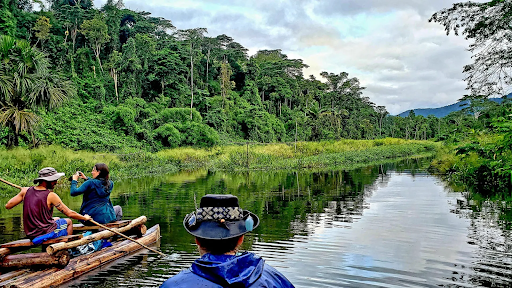
Nestled in southeastern Peru, the Manu Rainforest represents one of Earth’s most pristine and biodiverse wilderness areas. A Manu rainforest tour offers intrepid travelers access to an ecosystem so rich in life that scientists continue discovering new species with remarkable regularity. This vast protected area encompasses nearly 2 million hectares, stretching from frigid Andean peaks above 4,000 meters down to steamy lowland jungle at just 300 meters elevation. The extraordinary altitudinal range creates habitat diversity unmatched almost anywhere on the planet, supporting an astonishing concentration of wildlife that makes every tour an adventure into nature’s greatest living laboratory.
Understanding Manu’s Protected Status and Significance
Manu National Park, designated a UNESCO World Heritage Site and Biosphere Reserve, maintains three distinct zones that determine visitor access and experiences. The Reserved Zone, representing the park’s core, remains strictly off-limits to tourism, preserved exclusively for scientific research and indigenous peoples living in voluntary isolation. This absolute protection ensures pristine wilderness persists untouched by modern development.
The Cultural Zone permits controlled tourism under carefully regulated conditions, allowing visitors to experience extraordinary biodiversity while minimizing environmental impact. Licensed tour operators work within this zone, following strict guidelines that balance conservation with sustainable ecotourism. This middle ground provides authentic rainforest experiences while maintaining ecosystem integrity.
The Transition Zone, or Multiple Use Area, surrounds the park proper and allows broader activities including sustainable agriculture and community-based tourism. Many Manu rainforest tours incorporate this zone, offering cultural exchanges with local communities and demonstrating how conservation and human livelihoods can coexist productively.
Why Manu Stands Apart from Other Amazon Destinations
While numerous Amazon regions offer wildlife encounters, Manu distinguishes itself through exceptional biodiversity density and protection levels. The park harbors over 1,000 bird species more than any protected area of comparable size globally. This includes everything from tiny hermit hummingbirds to massive harpy eagles, creating paradise for ornithologists and casual birdwatchers alike.
Mammal diversity exceeds 200 species, including thirteen primate types ranging from diminutive pygmy marmosets to robust spider monkeys. Jaguars, pumas, spectacled bears, giant otters, and tapirs all inhabit Manu, though sighting these elusive creatures requires patience and luck. The park’s remoteness and rigorous protection mean wildlife exhibits less fear of humans compared to more accessible regions, improving observation opportunities significantly.
Reptiles, amphibians, insects, and plants exist in mind-boggling variety. Scientists estimate Manu contains over 15,000 plant species, 1,300 butterfly species, and countless invertebrates awaiting formal description. A single hectare might harbor more tree species than exist in all of North America, illustrating the extraordinary complexity supporting this ecosystem.
Types of Manu Rainforest Tours Available
Manu rainforest tours vary considerably in duration, comfort level, and depth of wilderness immersion. Budget tours typically span 4-6 days, focusing on the Cultural Zone and providing essential jungle experiences at accessible price points. These expeditions use basic camping facilities or simple lodges, emphasizing adventure over luxury while delivering genuine rainforest encounters.
Mid-range tours extending 7-9 days allow deeper penetration into protected areas with improved accommodations balancing comfort and authenticity. These tours typically include stays at established eco-lodges offering comfortable beds, decent meals, and hot showers luxuries appreciated after long days exploring humid forests.
Premium extended tours lasting 10-15 days venture furthest into wilderness, potentially accessing areas few visitors ever reach. These comprehensive expeditions maximize wildlife observation opportunities through extended time in optimal habitats, expert naturalist guides, and smaller group sizes ensuring personalized attention.
Specialized photography tours cater to serious wildlife photographers, providing extended observation periods at key locations, professional guidance on technique and animal behavior, and flexible schedules accommodating perfect lighting conditions. These tours recognize that capturing compelling images requires patience and timing impossible within standard tour structures.
What to Expect During Your Manu Adventure
Most Manu rainforest tours begin in Cusco, where travelers typically spend a day acclimatizing to altitude before departing. The journey itself becomes integral to the experience, as vehicles climb through stunning cloud forests before descending gradually into lowland jungle. This transit showcases dramatic ecological transitions, with vegetation, climate, and wildlife changing noticeably as elevation decreases.
The road to Manu, often called the “Manu Road,” winds through breathtaking mountain scenery, crossing the highest point at Acjanaco Pass around 3,500 meters. Here, travelers might spot Andean cock-of-the-rock, Peru’s national bird, displaying brilliant orange plumage against mossy green backgrounds. The gradual descent reveals layer upon layer of biodiversity as ecosystems transition from elfin forest through cloud forest to lowland rainforest.
Upon reaching river access points, tours transition from vehicles to boats for journeys along the Alto Madre de Dios and Manu rivers. These waterways serve as highways through roadless wilderness, providing comfortable vantage points for spotting riverside wildlife including capybaras, caiman, and diverse waterbirds. Travel by boat offers cooling breezes and excellent photography opportunities while covering significant distances through pristine habitat.
Wildlife Highlights and Signature Experiences
Clay licks represent Manu rainforest tour highlights that consistently deliver spectacular experiences. These riverbank mineral deposits attract dozens or even hundreds of parrots and macaws simultaneously, creating explosions of color and sound as birds descend to consume clay that neutralizes toxins in their fruit-based diets. Observing this natural phenomenon from elevated platforms or blinds provides unforgettable memories and incredible photography opportunities.
Oxbow lakes formed when rivers change course offer exceptional wildlife viewing in calm water environments. Cocha Salvador and Cocha Otorongo rank among Manu’s most productive lakes, where giant river otters fish cooperatively, black caiman bask along shores, and hoatzin’s prehistoric-looking birds clumsily navigate vegetation. Early morning canoe excursions across mirror-smooth waters frequently reveal wildlife concentrated around these resource-rich habitats.
Canopy towers provide perspectives impossible from ground level, accessing the forest layer where most biodiversity actually exists. Climbing into the canopy at dawn reveals an entirely different world, with tanagers, toucans, and trogons moving through fruiting trees while troops of monkeys leap between branches overhead. The experience demonstrates how much activity occurs beyond sight of ground-based observers.
Night walks reveal nocturnal creatures including tarantulas, tree frogs, katydids, stick insects, and occasionally mammals like night monkeys or kinkajous. The forest transforms after dark, with different sounds, smells, and wildlife creating an entirely distinct ecosystem operating in darkness.
Choosing the Right Tour Operator
Selecting appropriate tour operators significantly impacts Manu rainforest tour quality and ethical standards. Reputable companies employ trained naturalist guides with deep ecological knowledge and language skills, maintain proper permits and insurance, follow leave-no-trace principles, and contribute to local conservation and community development.
Research operators thoroughly, examining client reviews, guide qualifications, group size policies, and environmental commitments. Smaller groups generally provide better experiences with less environmental impact and more personalized attention. Operators affiliated with conservation organizations often demonstrate stronger ethical commitments than purely commercial ventures.
Price differences usually reflect accommodation quality, guide expertise, group size, and tour length rather than wildlife access. Paying premium prices doesn’t guarantee better animal sightings luck and timing affect encounters regardless of cost. However, experienced guides significantly improve observation success through superior tracking skills and knowledge of animal behavior patterns.
Practical Preparation for Manu Tours
Successful Manu rainforest tour require thoughtful preparation addressing health, packing, and expectations. Yellow fever vaccination is mandatory, while additional immunizations including typhoid, hepatitis A, and tetanus merit strong consideration. Malaria prophylaxis may be recommended depending on individual health factors and specific itinerary details.
Physical fitness requirements vary by tour type, but all involve walking on uneven terrain, potential river crossings, and humid conditions. Moderate fitness suffices for most tours, though specific excursions like extended hikes or tower climbs demand greater stamina. Honestly assessing personal capabilities prevents disappointment and ensures safety.
Packing appropriately balances weight limitations with practical needs. Essential items include quick-dry clothing in neutral colors, waterproof rain gear, broken-in hiking boots, insect repellent containing DEET, headlamp with extra batteries, binoculars, and sun protection. Many operators provide packing lists tailored to their specific tours, which should be followed carefully.
Conclusion: Key Takeaways for Manu Rainforest Tours
Manu rainforest tours offer unparalleled opportunities to experience pristine Amazonian wilderness harboring extraordinary biodiversity. Success requires selecting appropriate tour operators, preparing thoroughly for challenging conditions, and maintaining realistic expectations about wildlife encounters. The journey itself through diverse ecosystems provides education and adventure, while time in protected areas creates lasting appreciation for conservation importance.
Wildlife sightings combine luck with strategic positioning at productive locations like clay licks and oxbow lakes. Patient observation, quality optics, and expert guides maximize encounter quality. Beyond individual species, Manu reveals ecosystem complexity and interconnection impossible to comprehend without direct immersion. These tours transform participants into conservation advocates who understand firsthand why protecting such wilderness matters profoundly for our planet’s future.
