


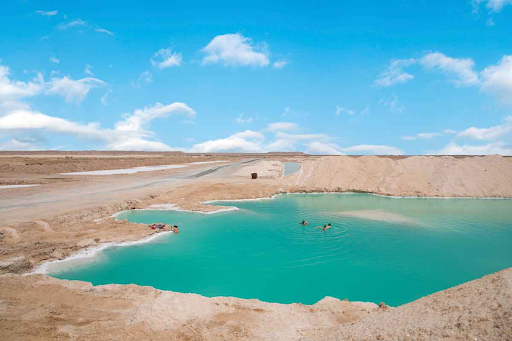
Scattered across Egypt’s vast desert expanse like emerald jewels on golden fabric, the egypt oasis have sustained life, culture, and commerce for millennia. These verdant havens, fed by ancient underground aquifers, represent triumph over one of Earth’s most challenging environments. The Egyptian oases are not merely geographical curiosities; they are living testaments to human resilience, agricultural innovation, and cultural preservation in the face of extreme aridity.
The Five Major Oases: Egypt’s Desert Lifelines
Egypt’s Western Desert contains five principal oases, each with distinct characteristics, histories, and cultural identities. Collectively known as the New Valley Governorate, with the addition of Siwa Oasis in the north, these settlements have functioned as crucial nodes in trans-Saharan trade networks and agricultural production centers for over four thousand years.
Siwa Oasis, located near the Libyan border, remains perhaps the most culturally unique. Its isolation preserved the Siwi language and distinct Berber traditions until recent decades. The oasis gained fame in antiquity as the site of the Oracle of Amun, where Alexander the Great sought divine confirmation of his destiny. Today, Siwa continues producing exceptional dates and olives while developing sustainable tourism that respects local customs.
Bahariya Oasis, closest to Cairo at approximately 365 kilometers southwest, has emerged as a popular destination combining ancient heritage with natural wonders. The Valley of the Golden Mummies, discovered in 1996, revealed one of Egypt’s largest burial sites with thousands of mummies from the Greco-Roman period. Palm groves and hot springs complement the archaeological attractions, creating a diverse visitor experience.
Farafra Oasis, the smallest and most isolated of the major oases, serves as the gateway to the spectacular White Desert. Its compact agricultural area supports modest date palm cultivation, but the oasis’s true distinction lies in its proximity to surreal chalk formations and its reputation for traditional Bedouin hospitality.
Dakhla Oasis presents a different character entirely. This extensive depression contains numerous villages, ancient mud-brick settlements, and agricultural zones producing rice, wheat, and fruits. Medieval Islamic architecture mingles with pharaonic temple ruins, while hot springs and desert landscapes attract those seeking both cultural immersion and natural therapy.
Kharga Oasis, the largest and most developed, functions as the administrative capital of the New Valley Governorate. Historical layers span from prehistoric settlements through pharaonic, Persian, Roman, and Islamic periods. The Temple of Hibis, one of the best-preserved Persian-era structures in Egypt, stands alongside Christian monasteries and Islamic fortresses, illustrating millennia of continuous habitation.
Hydrogeology: The Science Behind Desert Springs
Understanding Egypt’s oases requires examining the remarkable geological systems that sustain them. These settlements depend entirely on the Nubian Sandstone Aquifer System, one of the world’s largest fossil groundwater reserves, extending beneath Egypt, Libya, Sudan, and Chad. This vast underground reservoir accumulated water during wetter climatic periods thousands of years ago.
Artesian pressure naturally forces water to the surface through geological faults and permeable rock layers, creating springs that have flowed for millennia. However, this ancient water is essentially non-renewable at human timescales rainfall in these regions averages less than five millimeters annually, far below the rate of current extraction.
Modern well-drilling and irrigation expansion have dramatically increased water usage, raising serious sustainability concerns. Water tables have dropped in several oases, threatening traditional agriculture and ecosystems. Some springs that flowed continuously for thousands of years have diminished or ceased entirely, prompting urgent calls for conservation and management reforms.
Agricultural Heritage and Innovation
Oasis agriculture represents sophisticated adaptation to extreme environmental constraints. Traditional farming systems maximized efficiency through vertical layering: date palms formed an upper canopy providing shade, fruit trees occupied the middle layer, and ground crops like wheat, barley, and vegetables grew beneath. This multi-tiered approach optimized water use, moderated temperatures, and maximized productivity from limited arable land.
Date palms remain economically and culturally central to oasis life. Egypt produces over 1.5 million tons of dates annually, with significant portions coming from oasis regions. Premium varieties command high prices in international markets, providing crucial income for oasis communities.
Traditional irrigation systems, some dating to pharaonic times, demonstrated remarkable engineering. Channels distributed spring water through carefully calculated networks, ensuring equitable access while minimizing waste. Timing systems rotated water access among farmers, maintaining social cohesion and resource sustainability.
Contemporary pressures challenge these time-tested practices. Population growth, market integration, and government development schemes have introduced mechanized agriculture, chemical inputs, and water-intensive crops. While increasing short-term yields, these changes risk depleting the aquifer and degrading soil quality, threatening long-term viability.
Cultural Distinctiveness and Social Traditions
Oasis communities developed unique cultural identities shaped by geographic isolation and environmental adaptation. Languages, architectural styles, social structures, and customs evolved differently from Nile Valley populations. Siwa’s Berber heritage, distinctly different from Arab Egyptian culture, exemplifies this diversity.
Traditional egypt oasis architecture reflects climatic wisdom accumulated over generations. Thick mud-brick walls provide thermal mass, moderating interior temperatures despite extreme external fluctuations. Small windows minimize heat gain while ventilation shafts create natural cooling through convection. Palm frond roofing, when available, offers insulation and shade.
Social organization traditionally centered on extended family networks and clan structures that managed water rights, resolved disputes, and maintained irrigation systems. These institutions preserved social stability in environments where cooperation meant survival and conflict could prove catastrophic.
Women’s roles in oasis societies varied considerably. Some communities, particularly Siwa, maintained conservative customs limiting women’s public presence, while others afforded greater social freedom. Traditional crafts, including distinctive embroidery, basket weaving, and pottery, represented important cultural expressions and economic contributions.
Tourism Development and Cultural Impact
Recent decades have witnessed dramatic transformation as tourism infrastructure expanded across oasis regions. Modern hotels, restaurants, and transportation services cater to growing visitor numbers seeking desert adventures, archaeological sites, and cultural experiences.
This development brings both opportunities and challenges. Tourism provides employment, income diversification, and infrastructure improvements that benefit local populations. Archaeological sites receive funding for preservation and study. International attention can validate cultural heritage and encourage traditional craft revival.
However, rapid change strains social fabrics and environmental systems. Water consumption increases to supply hotels and pools. Traditional architecture gives way to concrete construction. Youth migration to tourism jobs disrupts agricultural labor pools and knowledge transmission. Cultural commodification risks reducing authentic traditions to tourist performances.
Sustainable tourism initiatives attempt balancing these tensions. Community-based tourism projects ensure local ownership and benefit distribution. Environmental regulations limit destructive practices. Cultural sensitivity training helps visitors respect local customs. Success remains uneven, requiring ongoing negotiation between development aspirations and preservation imperatives.
Archaeological Treasures and Historical Significance
Oases served vital functions throughout Egyptian history, yielding archaeological riches that illuminate ancient desert life. Pharaonic expeditions utilized oases as staging points for mining operations and trade missions. Temple complexes honored deities and legitimized royal authority in these remote territories.
The Greco-Roman period saw intensive oasis development as Egypt integrated into Mediterranean economic networks. Wine production, particularly in Bahariya and Kharga, supplied Roman markets. Elaborate tombs and mummy portraits reflected hybrid cultural influences blending Egyptian, Greek, and Roman elements.
Early Christian communities established monasteries in oasis regions, seeking isolation for contemplative life while maintaining agricultural self-sufficiency. These settlements produced important theological texts and preserved classical knowledge through turbulent periods. Islamic conquest brought new administrative systems, architectural styles, and religious institutions that remain visible today.
Ongoing archaeological work continues revealing oasis history. Recent discoveries include Greco-Roman cemeteries, Byzantine churches, and prehistoric rock art documenting human presence extending tens of thousands of years. Each excavation adds layers to understanding how people adapted, thrived, and created culture in these challenging environments.
Conservation Challenges and Future Prospects
Egypt’s oases face critical junctures as traditional sustainability confronts modern pressures. Aquifer depletion represents the paramount threat without water, oases cannot exist. Current extraction rates far exceed natural replenishment, creating countdown scenarios unless dramatic conservation occurs.
Climate change compounds these challenges. Rising temperatures increase evaporation and crop water requirements while potentially affecting aquifer recharge zones hundreds of kilometers away. Extreme weather events, though rare, can damage infrastructure and agriculture when they occur.
Government initiatives promoting desert reclamation and new agricultural projects, while intended to expand Egypt’s habitable land, often conflict with sustainability goals. Large-scale developments consume vast water quantities, accelerating depletion that threatens both new projects and ancient oasis communities.
Successful conservation requires integrated approaches combining technology, policy reform, and community engagement. Drip irrigation and efficient water technologies can reduce agricultural consumption. Groundwater management regulations must balance development with preservation. Supporting traditional knowledge systems and crops adapted to local conditions offers resilience against climate uncertainty.
International cooperation brings resources and expertise to these efforts. Research programs study aquifer dynamics, historical climate patterns, and sustainable agriculture techniques. Conservation organizations work with local communities developing alternative livelihoods that reduce pressure on water resources while maintaining cultural vitality.
Conclusion
Egypt’s oases represent far more than scattered water sources in barren landscapes; they embody thousands of years of human ingenuity, cultural development, and environmental adaptation. These verdant sanctuaries sustained civilizations, facilitated commerce, and preserved unique traditions in one of Earth’s harshest environments. Today they stand at crossroads where ancient wisdom must inform modern challenges, where preservation and development negotiate sustainable futures, and where global climate concerns intersect with local realities. The fate of these remarkable places will reflect humanity’s capacity for foresight, restraint, and respect for the delicate balances sustaining life in extreme environments.
Frequently Asked Questions
How many oases are there in Egypt? Egypt has five major oases: Siwa, Bahariya, Farafra, Dakhla, and Kharga. Several smaller oases and isolated springs also exist throughout the Western Desert, though the major five contain the largest populations and most developed settlements.
Where does oasis water come from in the desert? Egyptian oases draw water from the Nubian Sandstone Aquifer System, a vast underground reservoir containing ancient “fossil water” accumulated during wetter climatic periods thousands of years ago. Natural geological faults and pressure force this water to the surface as springs.
Can tourists visit Egyptian oases? Yes, all major oases welcome tourists with varying levels of infrastructure. Siwa and Bahariya offer well-developed tourism facilities, while Farafra remains more rustic. Visitors should respect local customs, particularly in conservative communities like Siwa, and travel with adequate preparation.
What crops grow in Egyptian oases? Date palms are the signature crop, alongside olives, figs, apricots, citrus fruits, and grapes. Ground crops include wheat, barley, rice, vegetables, and herbs. Traditional multi-layered agriculture maximizes limited water and land resources.
Are Egyptian oases facing water shortages? Yes, this is a critical concern. Modern well-drilling and increased agricultural activity have significantly lowered water tables in several oases. The ancient aquifer replenishes extremely slowly, making current extraction rates unsustainable without major conservation efforts.
