


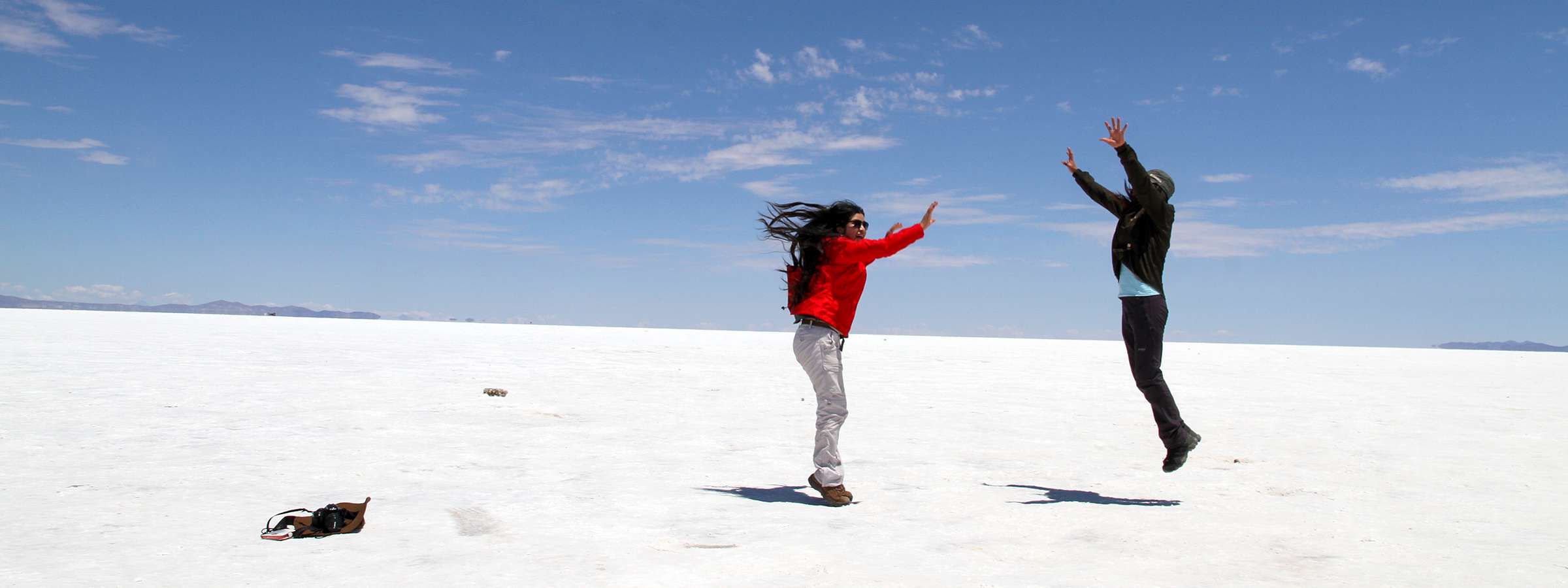
When travelers think of Peru’s salt flats, the vast Salar de Uyuni in neighboring Bolivia often comes to mind. However, southern Peru hides its own lesser-known but equally fascinating landscapes: the Arequipa Salt Flats. Remote, serene, and visually striking, these salt flats offer a completely different perspective of Peru—one defined by silence, high-altitude beauty, and ancient geological processes. For adventurers, photographers, and cultural explorers, the Arequipa Salt Flats represent one of the most underrated natural attractions in the country.
Introduction to the Arequipa Salt Flats
The Arequipa Salt Flats are located in the southern Andes of Peru, within the Arequipa region, an area famous for its volcanoes, deep canyons, and colonial architecture. Unlike Peru’s more visited tourist routes, these salt flats remain largely untouched, offering travelers an authentic experience far from crowds.
Formed over thousands of years by the evaporation of ancient lakes, the salt flats stretch across high-altitude plains surrounded by volcanoes such as Misti, Chachani, and Coropuna. The result is a dramatic white landscape that contrasts sharply with the blue Andean sky and the reddish tones of the surrounding mountains.
Geography and Formation
The Arequipa Salt Flats lie at elevations ranging between 4,000 and 4,500 meters above sea level. These flats were created during prehistoric periods when large bodies of water covered the Andean plateau. As climate conditions changed, the lakes gradually evaporated, leaving behind thick layers of salt and minerals.
Over time, wind and temperature variations shaped the surface into fascinating natural patterns—cracked polygons, crystalline ridges, and smooth reflective areas that resemble mirrors during the rainy season. This geological evolution makes the Arequipa Salt Flats a valuable site for scientists and nature enthusiasts alike.
A Landscape of Surreal Beauty
Visually, the Arequipa Salt Flats are mesmerizing. During the dry season, the flats appear as endless white plains, textured with geometric salt formations. In contrast, during the rainy months, a thin layer of water transforms the surface into a giant mirror, reflecting clouds and mountains with stunning clarity.
Sunrise and sunset are particularly magical. Soft golden and pink hues paint the landscape, creating a dreamlike atmosphere that feels almost otherworldly. At night, the absence of light pollution allows the Milky Way to shine brightly, making the salt flats an excellent destination for astrophotography.
Flora and Fauna of the Salt Flats
Despite the harsh environment, life thrives in and around the Arequipa Salt Flats. Specialized plant species such as salt-tolerant grasses and low shrubs manage to survive in the mineral-rich soil. These plants play a crucial role in preventing erosion and supporting local ecosystems.
Wildlife sightings are another highlight. Andean flamingos are commonly seen near nearby lagoons, feeding on algae and small organisms. Vicuñas, foxes, and Andean birds roam the surrounding plains, adapting perfectly to the high-altitude climate. For wildlife lovers, the Arequipa Salt Flats provide an excellent opportunity to observe rare species in their natural habitat.
Cultural Significance and Local Communities
The salt flats are not just a natural wonder; they are deeply connected to local Andean culture. Indigenous communities have lived near these salt flats for generations, using salt as a valuable resource for trade, food preservation, and traditional medicine.
Even today, some families continue to harvest salt using ancestral techniques, carefully extracting it by hand to preserve its purity. Visiting the Arequipa Salt Flats offers travelers a chance to learn about these age-old practices and gain insight into the sustainable relationship between humans and nature.
How to Reach the Arequipa Salt Flats
Accessing the Arequipa Salt Flats requires planning, as they are located in remote areas. Most travelers begin their journey from the city of Arequipa, often referred to as the “White City” due to its volcanic stone architecture.
From Arequipa, visitors typically travel by 4×4 vehicle through high-altitude routes that pass volcanoes, valleys, and traditional villages. Guided tours are highly recommended, as they provide safety, local knowledge, and logistical support in areas where infrastructure is limited.
Best Time to Visit
The best time to visit the Arequipa Salt Flats depends on the type of experience you seek:
- Dry Season (May to October): Clear skies, crisp air, and perfect conditions for walking and photography. The salt formations are clearly visible during this period.
- Rainy Season (December to March): Occasional rainfall creates reflective surfaces, ideal for mirror-effect photos. However, access may be more challenging due to muddy roads.
April and November serve as transitional months, offering a balance between accessibility and scenic beauty.
Activities to Enjoy at the Arequipa Salt Flats
A visit to the Arequipa Salt Flats offers more than sightseeing. Travelers can enjoy a variety of activities, including:
Photography
The unique textures, reflections, and vast open spaces make the salt flats a paradise for photographers. Wide-angle shots, perspective photography, and night sky images are particularly popular.
Nature Walks
Guided walks allow visitors to explore the salt formations while learning about geology, ecology, and cultural history. Due to altitude, slow pacing is essential.
Cultural Experiences
Meeting local communities and observing traditional salt harvesting techniques adds a meaningful cultural dimension to the journey.
Stargazing
The remote location and high altitude create ideal conditions for stargazing, with clear views of constellations and the Milky Way.
Health and Safety Considerations
Because the Arequipa Salt Flats are located at high altitude, acclimatization is essential. Travelers should spend at least one or two days in Arequipa city before heading to the salt flats.
Key safety tips include:
- Stay hydrated and avoid alcohol before the trip
- Wear sun protection, as UV exposure is intense
- Dress in layers to adapt to temperature changes
- Travel with experienced guides and proper vehicles
Sustainable Tourism and Conservation
The increasing interest in the Arequipa Salt Flats highlights the importance of sustainable tourism. Visitors are encouraged to respect local customs, avoid leaving waste, and follow designated paths to protect fragile salt formations.
Supporting local guides and community-based tourism initiatives ensures that economic benefits reach those who have protected this landscape for generations. Responsible travel helps preserve the Arequipa Salt Flats for future explorers.
Why the Arequipa Salt Flats Are Worth Visiting
While Peru offers countless iconic destinations, the Arequipa Salt Flats stand out for their tranquility and authenticity. Unlike more commercialized attractions, these salt flats allow visitors to connect deeply with nature and Andean culture.
The sense of isolation, the purity of the landscape, and the raw beauty of the surroundings create an unforgettable experience. For travelers seeking something unique and off the beaten path, the Arequipa Salt Flats are a perfect choice.
Final Thoughts
The Arequipa Salt Flats are one of southern Peru’s best-kept secrets. With their breathtaking scenery, rich cultural heritage, and serene atmosphere, they offer a travel experience that goes beyond typical sightseeing. Whether you are a photographer, adventurer, or cultural explorer, these salt flats promise moments of wonder and reflection.
